Zotrim is an herbal appetite suppressant made from three South American plant extracts: yerba mate, guarana and damiana. You take two or three tablets with a glass of water before your main meals, and the aim is simple: to help you feel full sooner and eat less.
Unlike almost every weight loss supplement, Zotrim's herbal blend has been tested in its own placebo-controlled trials. It is also our highest rated appetite suppressant. This review looks at what those trials found, how to take Zotrim to match them, and what results are realistic.
Quick verdict
Zotrim's strength is its evidence. In a 45-day placebo-controlled trial, overweight patients taking its yerba mate, guarana and damiana blend before meals lost 5.1 kg against 0.3 kg on placebo, and in a 2013 study women ate about 112 fewer calories at lunch after taking it. The trials were small and short, and matching them means three tablets before each main meal, but few weight products can point to research on their own formula. You can learn more at zotrim.com.
Zotrim pros and cons
What we like about Zotrim
- The same herbal blend has been tested in placebo-controlled human trials
- Helps with appetite and portion size at meals
- Only about 25 mg of caffeine per tablet
- 100-day money-back guarantee
Where Zotrim falls short
- Two or three tablets before each main meal, so up to nine a day
- The trials were small and short-term
- At nine tablets a day, caffeine adds up to about 225 mg
- Results depend on eating smaller meals, as with any appetite suppressant
Zotrim at a glance
| Made by | Health Nutrition |
|---|---|
| Daily serving | 2 to 3 tablets before main meals |
| Stimulants | 25 mg caffeine per tablet |
| Key ingredients | Yerba mate 112 mg, guarana 95 mg and damiana 36 mg per tablet |
| Label | Every extract amount disclosed |
| Price | $59.99 for 30 days (lower per pack on the three- and five-month packs) |
| Cost per day | $2.00 |
| Guarantee | 100-day money-back guarantee |
| Hyperguides score | 8.8/10 |
What is Zotrim?
Zotrim is made by Health Nutrition. Each tablet contains 243 mg of an herbal blend known in research as YGD: yerba mate (112 mg), guarana (95 mg) and damiana (36 mg). Yerba mate and guarana are natural sources of caffeine, which gives each tablet about 25 mg, roughly a quarter of a cup of coffee.
The directions are to take two or three tablets with a full glass of water a few minutes before your main meals. Taken before three meals, that comes to six to nine tablets a day.
Zotrim works differently from a fat burner. Rather than trying to raise the calories you burn, it aims to make you feel full sooner, so you eat smaller meals and snack less. In its first trial, it slowed the rate at which the stomach emptied, which helps explain why it can make you feel full sooner.
Zotrim ingredients and doses
Zotrim's blend is the same one used in the published trials, so we judge it against those studies rather than against research on each herb alone.
| Ingredient | Per tablet | What research used | Our read |
|---|---|---|---|
| Yerba mate, guarana and damiana (YGD) (yerba mate 112 mg, guarana 95 mg, damiana 36 mg) | 243 mg | Three tablets of the same blend before each main meal in the published trials | Same blend as the trials |
Yerba mate, guarana and damiana (YGD) (243 mg)
In a 45-day trial, overweight patients taking the YGD blend before meals lost 5.1 kg against 0.3 kg on placebo, with slower stomach emptying, and a 2013 test-meal study found women ate about 112 fewer calories after taking it. Few branded weight products have trials on their own formula.
Zotrim contains 243 mg of this blend per tablet. It is the same yerba mate, guarana and damiana formula used in the trials, which gave three tablets before each main meal.
What the trials found
The 45-day weight loss trial
In a trial published in 2001, overweight patients took three YGD capsules or a placebo before each main meal for 45 days. The YGD group lost an average of 5.1 kg, about 11 pounds, against 0.3 kg on placebo. A shorter 10-day test of the same dose found 0.8 kg against 0.3 kg, and food took longer to leave the stomach after YGD: 58 minutes on average, against 38 minutes after placebo. In a 12-month follow-up without a placebo group, people who kept taking it held on to their weight loss but did not lose more.
The 2013 test-meal study
In a crossover study published in 2013, 58 women took three YGD tablets or a placebo 15 minutes before breakfast and again before an all-you-can-eat lunch. After YGD they ate about 112 fewer calories at lunch, 17% less than after placebo.
What the trials do not show
Both studies were small, and the weight loss trial lasted only 45 days. Most weight loss supplements have no trials on their own formula at all, which puts Zotrim ahead of them, but this is still modest evidence rather than proof of long-term results.
How to take Zotrim
To match the trials, take three tablets with a full glass of water about 15 minutes before each main meal. If you only need help at one or two meals, take it before those. Zotrim works by helping you feel satisfied sooner, so serve yourself a sensible portion and let that fuller feeling help you stop.
What results to expect
Zotrim's main effect is on how much you eat, so the change to look for comes at mealtimes: feeling satisfied sooner and finding it easier to stop. Over weeks, smaller meals and fewer snacks add up. The 5.1 kg result is an average from one small trial, so treat it as a sign of what is possible rather than a promise. Give Zotrim eight to twelve weeks alongside a sensible calorie target, which the 100-day guarantee covers.
Zotrim side effects
Each tablet contains about 25 mg of caffeine from yerba mate and guarana, so nine tablets a day add up to about 225 mg, roughly two cups of coffee. If you are sensitive to caffeine, take it before breakfast and lunch only, and count coffee, tea and energy drinks toward a 400 mg daily total. Take the tablets with a full glass of water. Zotrim is not suitable for anyone under 18 or for pregnant or breastfeeding women. Check with your doctor first if you take regular medication or have a heart condition.
Zotrim price and guarantee
One pack costs $59.99, and the three-month and five-month packs cost less per pack. Every order is covered by a 100-day money-back guarantee.
Zotrim vs PhenGold vs Trimtone
All three are made by Health Nutrition, and each suits a different person:
- Zotrim is for people whose main problem is portion size and snacking, and who want an herbal product with its own trials and little caffeine per tablet.
- PhenGold is the most complete formula, with 225 mg of caffeine, L-theanine, rhodiola and green tea for appetite, energy and motivation. See our PhenGold review.
- Trimtone is one capsule a day with 120 mg of caffeine and 40 mg of grains of paradise, designed for women who want something simple. See our Trimtone review.
Zotrim, PhenGold and Trimtone
| Feature | ZotrimOur pick | PhenGoldOur pick | TrimtoneOur pick |
|---|---|---|---|
| Hyperguides score | 8.8/10 | 9.2/10 | 8.9/10 |
| Daily serving | 2 to 3 tablets before main meals | 3 capsules a day | 1 capsule a day |
| Stimulants | 25 mg caffeine per tablet | 225 mg caffeine | 120 mg caffeine |
| Key ingredients | Yerba mate 112 mg, guarana 95 mg and damiana 36 mg per tablet | Green tea 500 mg, caffeine 225 mg, L-theanine 250 mg, cayenne 200 mg, plus 8 more | Caffeine 120 mg, green tea 100 mg, green coffee 100 mg, glucomannan 100 mg, grains of paradise 40 mg |
| Label transparency | Every extract amount disclosed | Every dose disclosed, no blends | Every dose disclosed, no blends |
| Price (one bottle) | $59.99 / 30 days | $59.99 / 30 days | $39.99 / 30 days |
| Cost per day | $2.00 | $2.00 | $1.33 |
| Money-back guarantee | 100-day money-back guarantee | 100-day money-back guarantee | 100-day money-back guarantee |
Our scores
Zotrim
Hyperguides score
PhenGold
Hyperguides score
Trimtone
Hyperguides score
How we score: formula and dosing 35%, ingredient evidence 25%, label transparency 20%, value and terms 20%. Read our rating method.
Why we recommend Zotrim
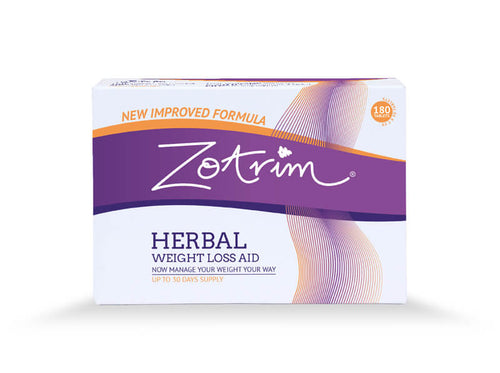
Highest rated appetite suppressant
Why we recommend Zotrim
- One of very few weight products with placebo-controlled trials on its own formula
- 5.1 kg lost in 45 days against 0.3 kg on placebo in its main trial
- About 112 fewer calories eaten at a meal in a 2013 study of 58 women
- About 25 mg of caffeine per tablet, with a 100-day money-back guarantee
Frequently asked questions
Does Zotrim work?
Its herbal blend has the best evidence of any non-prescription appetite suppressant we have reviewed. In its main trial, people taking it before meals lost 5.1 kg in 45 days against 0.3 kg on placebo, and a 2013 study found women ate about 112 fewer calories at a meal. The studies were small and short, so expect modest help with eating less rather than dramatic results.
How do you take Zotrim?
Take two or three tablets with a full glass of water a few minutes before your main meals. The trials used three tablets about 15 minutes before each main meal.
How much caffeine is in Zotrim?
About 25 mg per tablet, from yerba mate and guarana. Nine tablets a day come to about 225 mg, roughly two cups of coffee.
What is in Zotrim?
Each tablet contains 243 mg of an herbal blend of yerba mate (112 mg), guarana (95 mg) and damiana (36 mg), known in research as YGD.
Is Zotrim better than PhenGold?
They work differently. Zotrim is an herbal appetite suppressant taken before meals, with its own trials. PhenGold is a three-capsule daily formula with 225 mg of caffeine for energy, appetite and motivation. Choose Zotrim if eating less at meals is your main goal.
Final verdict
Zotrim is not a stimulant fat burner. It is an herbal appetite suppressant that does one job, helping you eat less at meals, and it is one of very few weight products with trials on its own formula. Taken before meals alongside sensible portions, it is the appetite suppressant we recommend.
Sources and further reading
- Zotrim official product page
- PhenGold official product page and Supplement Facts
- Trimtone official product page and Supplement Facts
- Andersen and Fogh 2001, yerba mate, guarana and damiana in overweight patients
- Darbinyan et al. 2000, rhodiola in night-shift physicians
- Dulloo et al. 1989, caffeine and daily energy expenditure
- Giesbrecht et al. 2010, L-theanine and caffeine on task switching
- Harrold et al. 2013, herbal preparation and energy intake at a test meal
- Haskell et al. 2008, L-theanine, caffeine and their combination
- Hidese et al. 2019, four weeks of L-theanine in healthy adults
- Hursel et al. 2009, meta-analysis of green tea and weight loss
- Jongkees et al. 2015, review of tyrosine under stress
- Jurgens et al. 2012, Cochrane review of green tea for weight loss
- Keithley et al. 2013, glucomannan for weight loss
- Ludy et al. 2012, capsaicin and energy balance meta-analyses
- Oketch-Rabah et al. 2020, USP review of green tea extract liver safety
- Olsson et al. 2009, rhodiola in stress-related fatigue
- Onakpoya et al. 2011, meta-analysis of green coffee extract
- Owen et al. 2008, L-theanine with caffeine on attention
- Sugita et al. 2013, grains of paradise and brown fat activity
- Sugita et al. 2014, daily grains of paradise, energy expenditure and visceral fat
- US FDA, how much caffeine is too much
- Whiting et al. 2014, capsaicinoids and energy intake meta-analysis